
Innovation to Execution
Context: This page is a dedicated operational addendum to my application for the Project Lead (EDEN) role at OXMAN. It outlines the frameworks, methodologies, and case studies defining a 15+ year career spent managing complexity, reducing organizational entropy, and translating abstract vision into executable built realities.
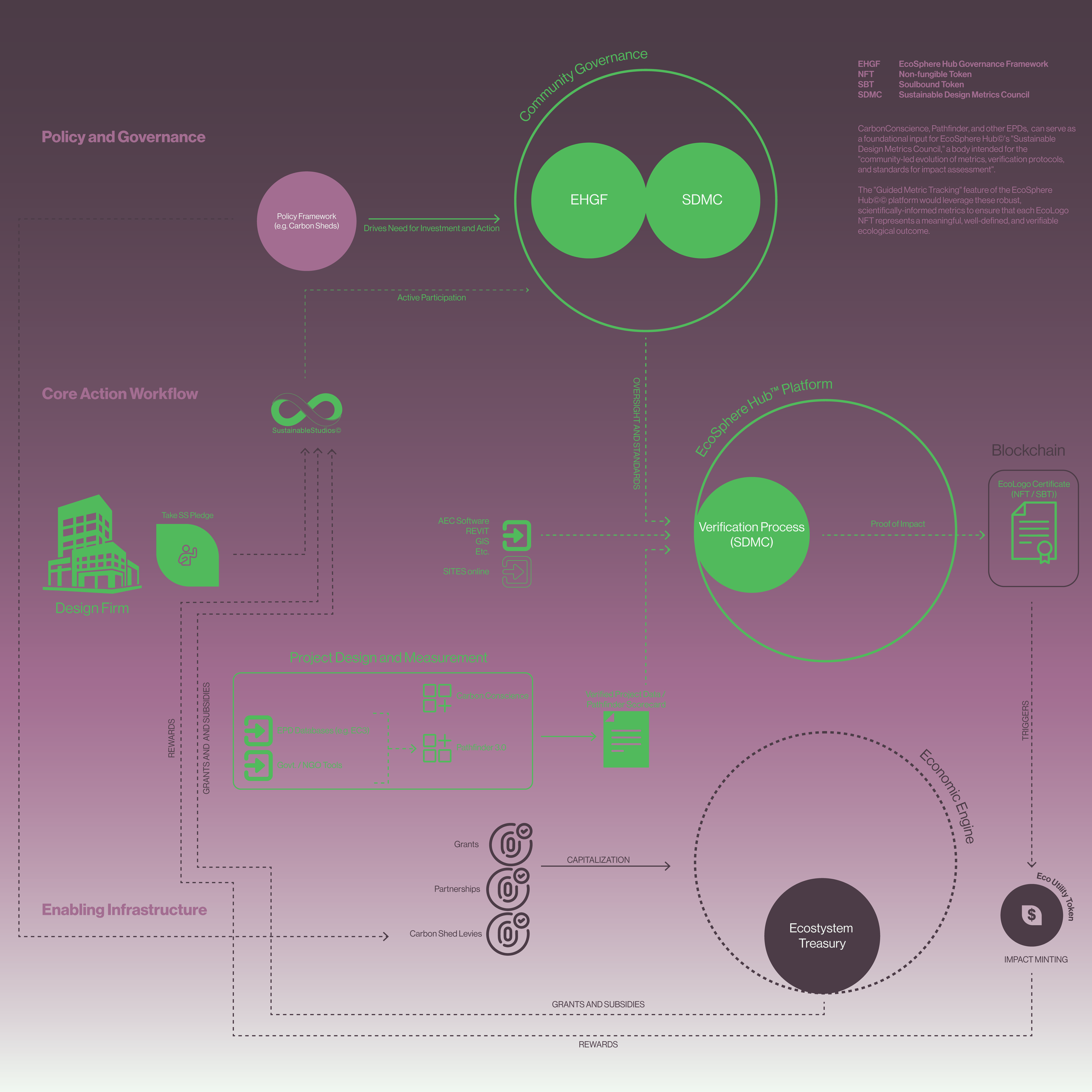
Managing the Friction of Discovery
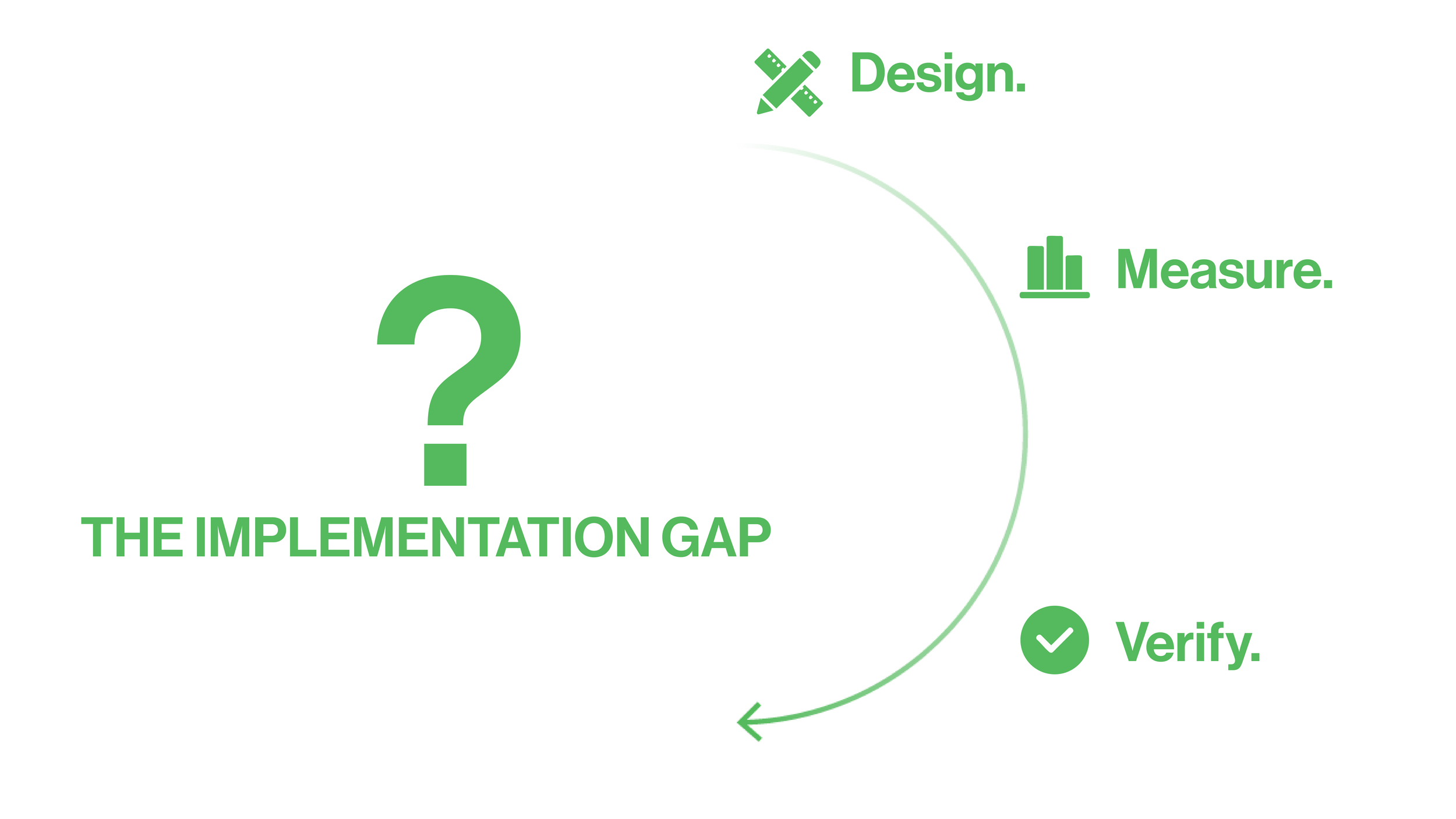
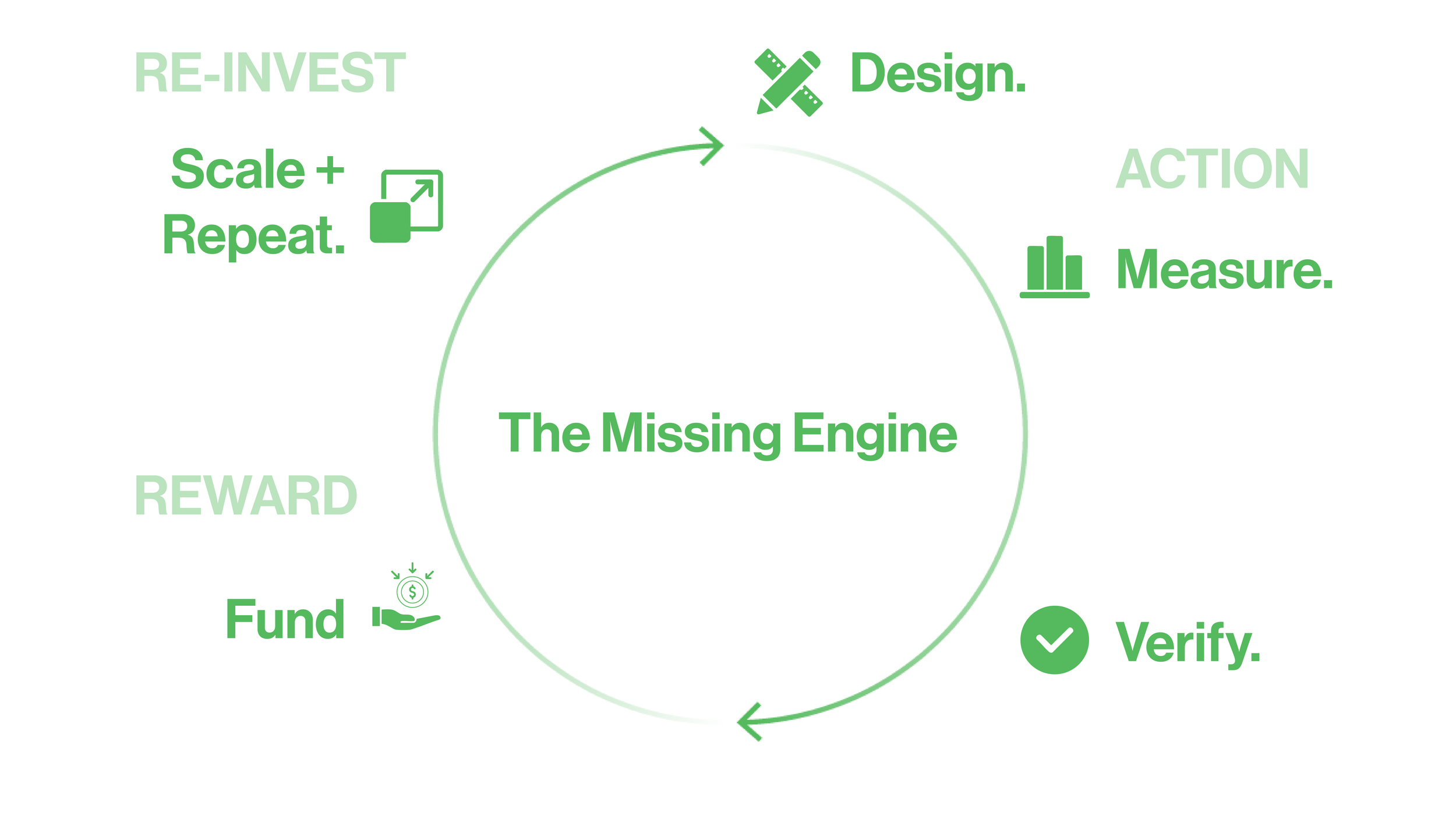
Multi-disciplinary innovation environments do not fail from a scarcity of ideas; they experience friction during the transition from discovery to repeatable execution. EDEN operates at the complex convergence of ecological science, computational platforms, and built realities—a space where high-concept vision requires rigorous operational structures to scale without losing its creative integrity.
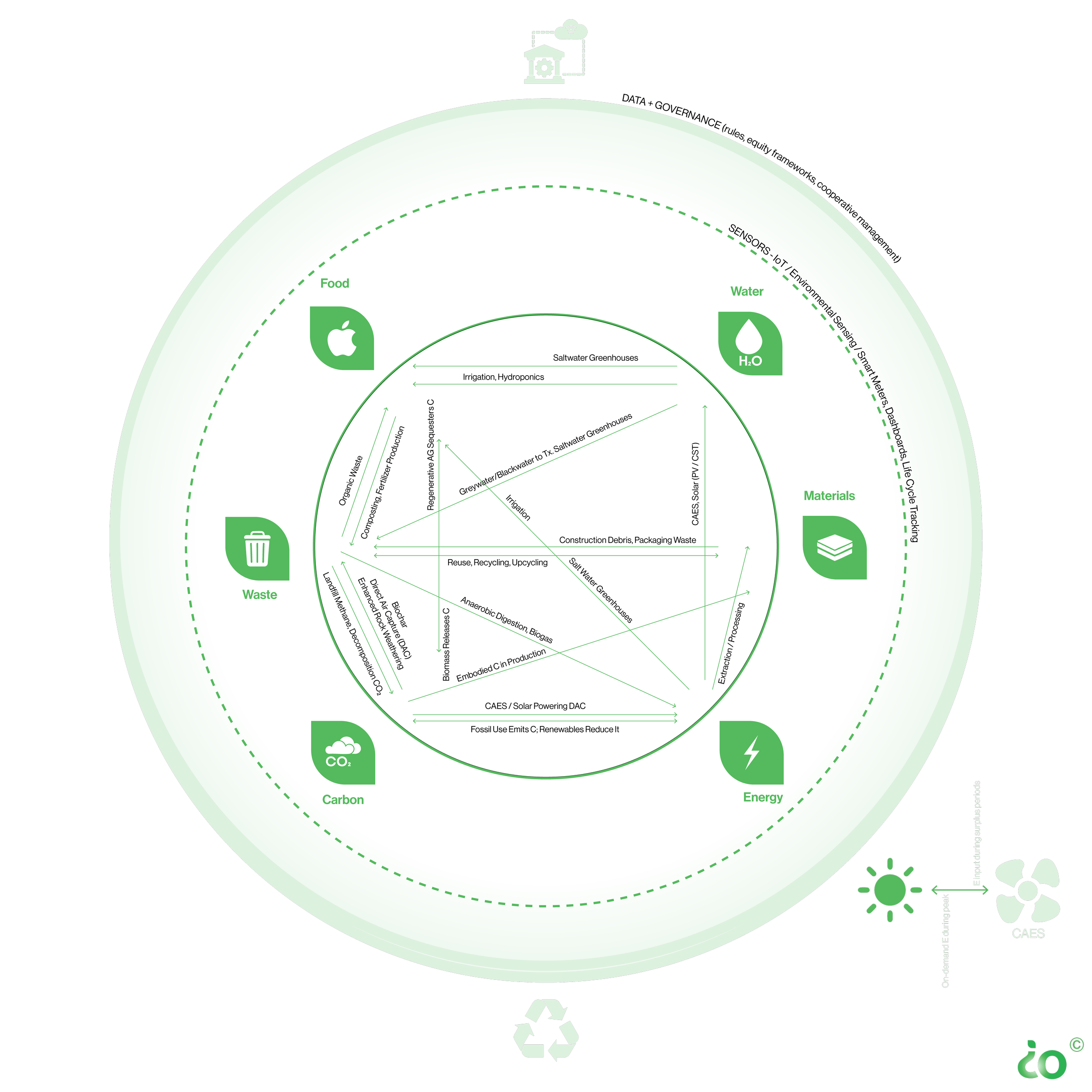
My professional trajectory has focused entirely on neutralizing this specific structural entropy. I do not view projects merely as physical sites to be designed, but as complex, multi-variable systems—composed of ecological parameters, regulatory bodies, financial models, and human behavior—that must be integrated into predictable, high-performance pipelines.
Selected Operational
Case Studies
World.
The real one we cannot see.
The inverted one we cannot escape.
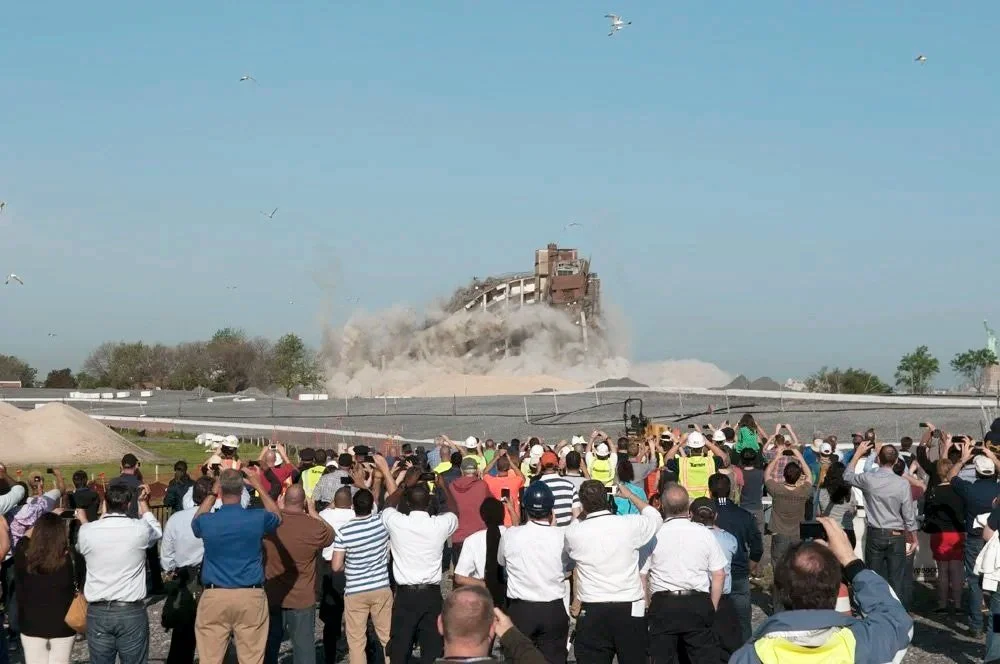
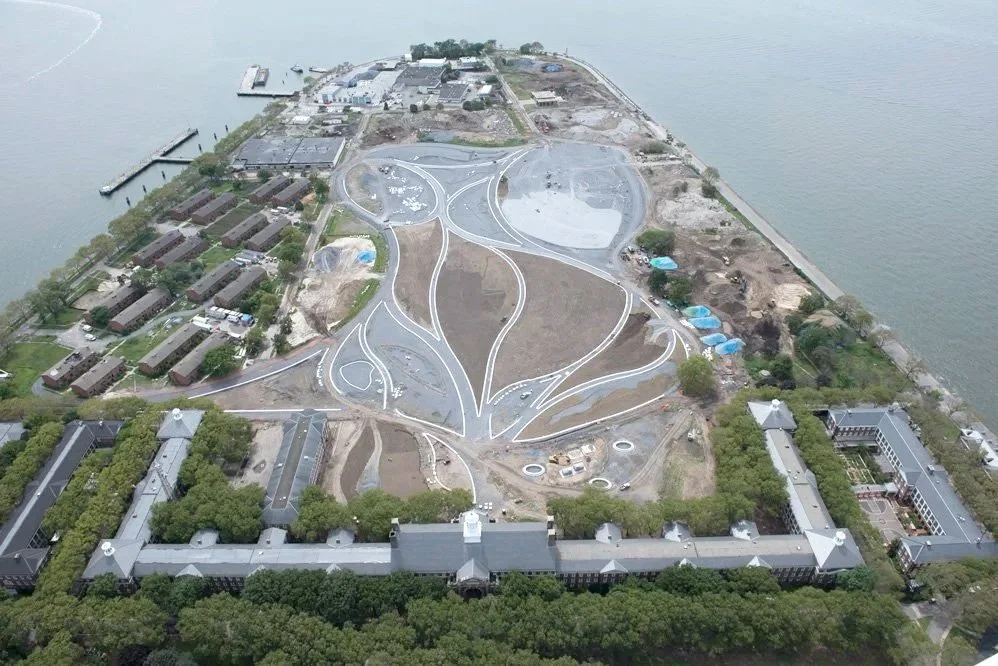
Case Study 1: Governors Island Park & Public Space (Phase 1)
Role: Design Development & Construction Documentation Lead (West 8)
The Conceptual/Ecological Ambiguity: The design concept required transforming an infrastructure-heavy, flat site into a highly resilient, topography-driven park featuring an experimental, brackish-tolerant urban forest. The project faced overlapping jurisdictions from multiple public agencies, volatile marine microclimates, and untested soil mechanics required to support massive, fabricated landforms with highly restricted logistical access. The speculative design ambition was exceptional, but the path to a buildable, structurally stable reality was entirely undefined.
The Operational/Translation Mechanism: Stepped in to reduce escalating design entropy by bridging the gap between international design concepts and rigorous local construction standards. Engineered a cross-disciplinary coordination protocol that systematically synchronized marine engineers, soil scientists, public stakeholders, and contractors. Translated abstract landscape performance goals into standardized, bulletproof construction documentation and grading frameworks, anchoring the conceptual vision into a predictable, permit-ready technical roadmap.
The Executable Reality & Performance Metric: Successfully delivered comprehensive construction documentation on schedule, transitioning the project from design development into active execution. The operational framework turned an experimental topographic thesis into a functioning, physically resilient public space capable of handling intense urban foot traffic and severe marine exposure—establishing a repeatable execution template used to de-risk subsequent capital phases.
Case Study 2: Firm Stabilization & Conceptual Translation Engine
Role: Studio Director / Operational Transition Lead (MSP / W Architecture and Landscape Architecture)
The Conceptual/Organizational Ambiguity: High-growth or transitioning design practices frequently experience extreme operational entropy, characterized by high staff attrition, loss of institutional knowledge, and systemic project delivery backlogs. In these environments, highly conceptual design visions generate intense execution friction; a junior staff complement often lacks the technical baseline to translate abstract ecological paradigms into bulletproof, buildable legal contracts and commercial proposals.
The Operational/Translation Mechanism: Stepped into the Studio Director function to design and execute structural stabilization frameworks. Counteracted historical organizational attrition by establishing repeatable internal production workflows, clearing complex backlogs, and mentoring junior design staff into highly disciplined execution units. To secure the commercial pipeline, assumed sole authorship of all technical and commercial proposals—systematically translating complex spatial theories into clear, risk-mitigated contractual realities.
The Executable Reality & Performance Metric: Stabilized organizational workflows under shifting ownership models, transforming a volatile, high-attrition office into a predictable, high-functioning project delivery engine. The commercial translation framework turned speculative project pursuits into durable, revenue-generating client partnerships, protecting creative intent while ensuring timely, profitable execution.
Proprietary Frameworks & Systems Research
My operational approach is driven by an ongoing exploration of how complex institutional, economic, and natural systems operate. Outside of traditional practice, I apply an understanding of the psycho-social sciences and systems intelligence to codify unstructured data into actionable frameworks, sustainable products, and public thought leadership.
Systematic Industry Publications
Value Architecture: A Framework for Monetizing Intellectual Capital in Spatial Practice
An operational blueprint challenging traditional hourly service models. This framework develops exact methodologies for value-based pricing, risk allocation, and the financial optimization of complex, high-liability design contracts.
Regulatory Systems Intelligence: A Structural Translation Guide to Complex Landscape Zoning & Compliance
A systematic breakdown of urban zoning codes and environmental regulatory frameworks. This guide translates rigid municipal legal structures into a predictable spatial design methodology, allowing teams to navigate compliance bottlenecks without sacrificing creative intent.
Productizing Design Intelligence: Scalable Commercial Models for Architectural Knowledge
A strategic playbook focused on moving spatial practices beyond a linear fee-for-service model. It outlines frameworks for converting bespoke design methodologies, ecological data, and technical details into scalable, repeatable digital assets and proprietary products.
Global Design & Thought Leadership
The Ocean Cleanup (Global Finalist 2025): Shortlisted as one of four global finalists in sustainable product and graphic design, translating complex environmental remediation and plastic-recovery goals into highly clear, high-impact visual systems.
ASLA Game Changers Speaker (New Orleans 2025): Selected to present systemic, forward-looking landscape intelligence concepts targeting cross-disciplinary intervention, capital project financing, and climate adaptation frameworks.
Note to the OXMAN Review Team: These frameworks and technical guides are natively hosted within the gated member area of the LANscapes™ publishing platform and LuuA™ store. Out of respect for my active subscription community, full-text digital volumes are bypassed here but will be made fully available to the OXMAN evaluation team upon request during the interview stage.

Maker Mindset: Material Mechanics & Physical Prototyping
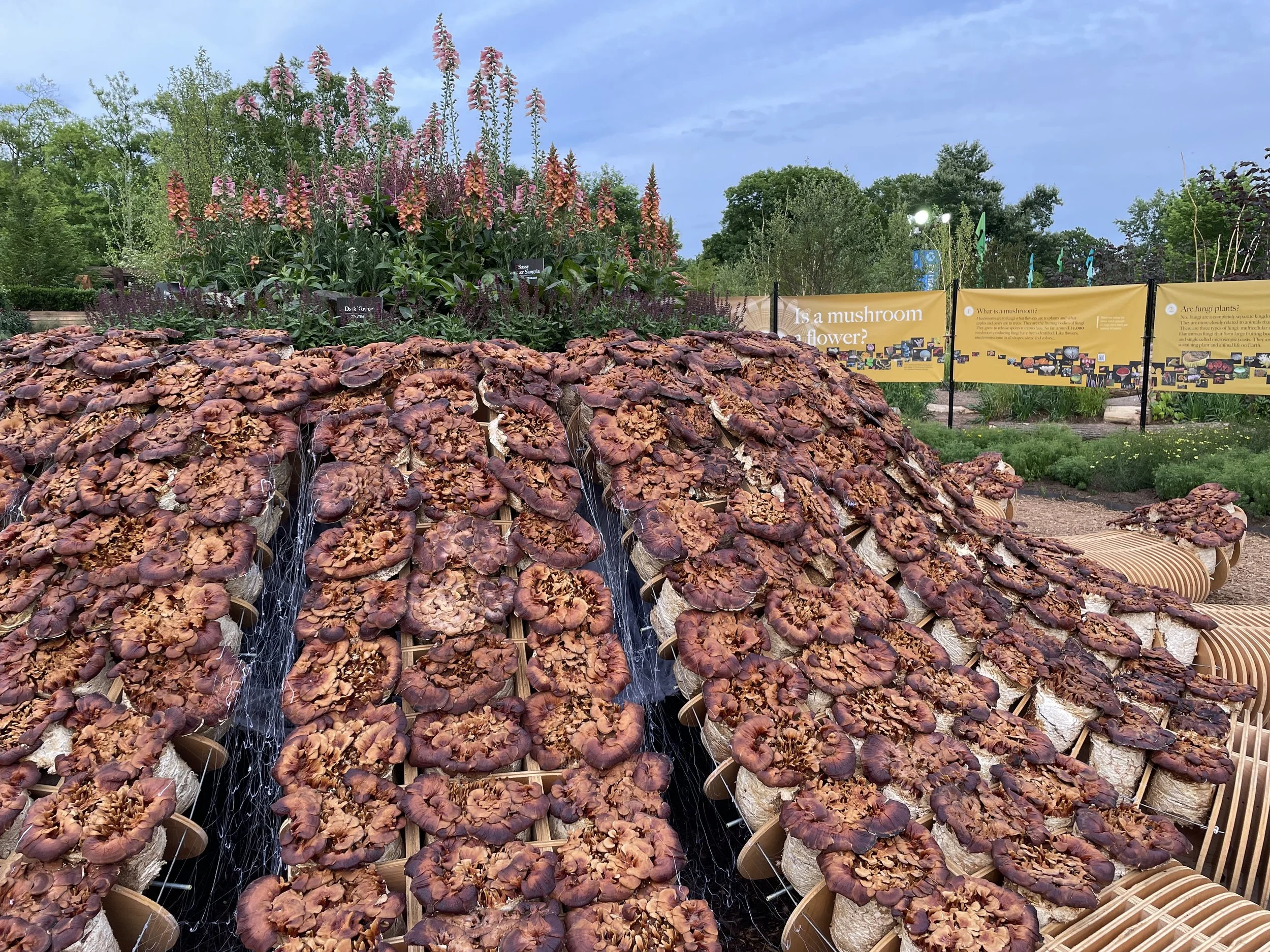
OXMAN operates at the frontier of material science and physical fabrication. My alignment with this ethos extends beyond macro-level project coordination into a lifelong, hands-on engagement with material mechanics, physical prototyping, and structural troubleshooting. I operate with an innate "Artisan" instinct—driven to take systems apart, understand their foundational constraints, and rebuild them to optimize performance.
Material Fluency & Craft: Active experience in model making, fine woodworking, structural millwork, and metalworking. Proven ability to translate digital spatial designs into physical prototypes and buildable, high-tolerance physical structures.
Mechanical Troubleshooting: Hands-on execution of complex mechanical and infrastructural overhauls, including independent redesigns of residential water pump architectures, micro-scale plumbing networks, and localized structural foundations.
Scrappy Execution & Fabrication: Proficient across the full execution spectrum—from operating high-precision software platforms to physical site construction, grading operations, and material staging logistics.
Organization / Core Operational Intervention
New York Botanical Garden
Delivering grounded project management and organizational stability to stand up a high-functioning capital delivery team for the Olin garden-wide master plan.
W
Managed transitional growth under new ownership; stabilized practice by neutralizing attrition and clearing a massive project backlog with a junior team.
MSP
Served as Studio Director; advanced to sole author of commercial/technical proposals, translating conceptual ideas into bulletproof contracts.
SiteWorks
Built internal organizational capacity, ran knowledge transfer programs, and expanded the pipeline through strategic design alliances.
TBA
Drove operational maturation and business development growth to position the company for a successful corporate merger and acquisition.
West 8
Acted as the foundational operational bridge to establish and integrate the firm’s international practice into the American market.
PFS Studio
Maintained absolute practice continuity and operational delivery during a period of massive growth and rapid scale in project scope.